A dryer that needs two or three cycles to finish one load is doing more than wasting time. It may also be using more energy, placing extra strain on internal parts, and signaling an airflow or heating problem.
For homeowners in Seattle and King County, longer drying times can be easy to dismiss, especially during colder or wetter months when laundry loads are heavier. However, a noticeable change in performance is worth investigating.
Start With the Lint Screen
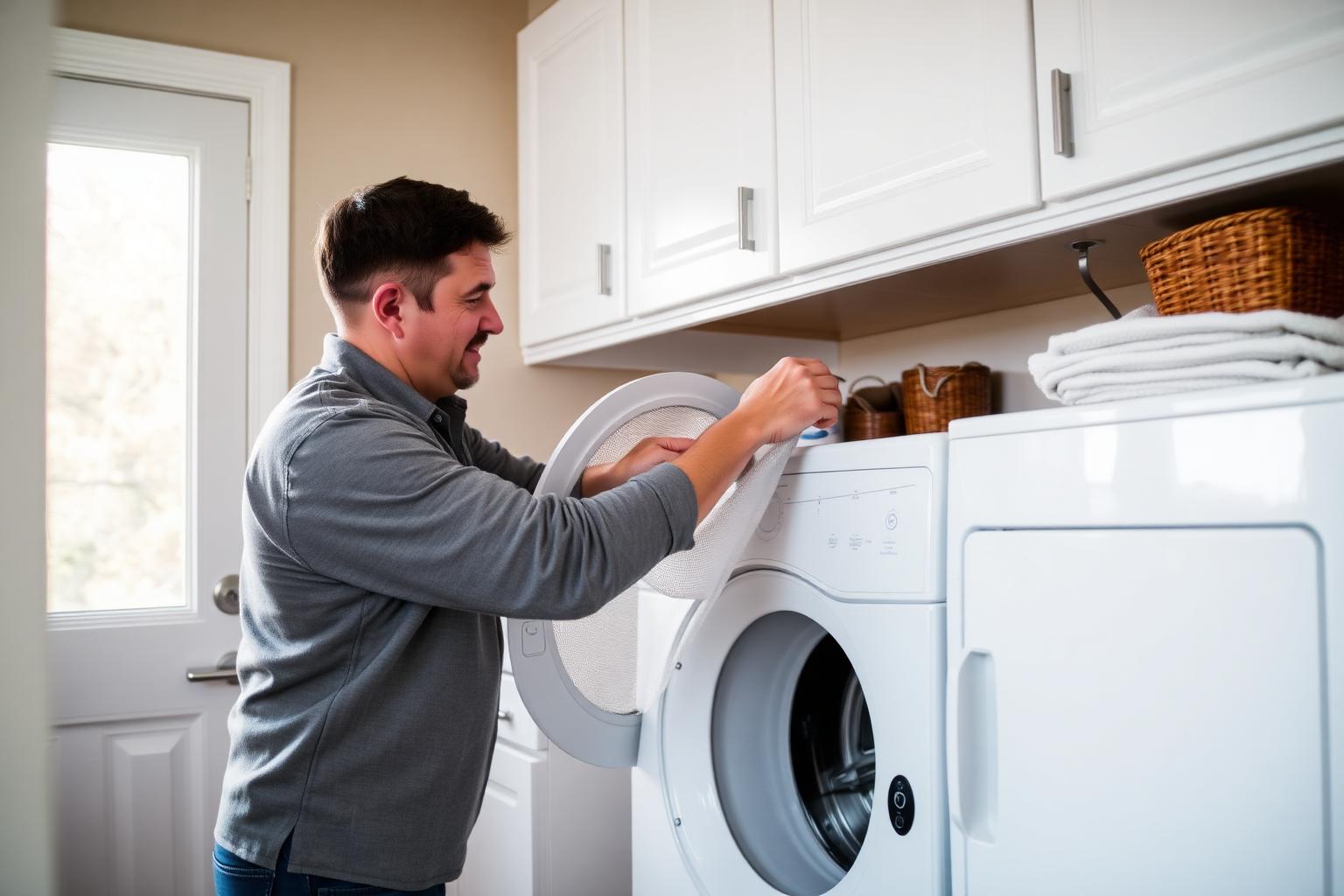
A clogged lint screen is one of the simplest reasons a dryer may take longer to dry clothes. Even a thin layer of lint can reduce airflow.
Clean the lint screen before or after every load. It is also helpful to wash the screen occasionally with mild soap and water, particularly if you use dryer sheets. Residue from fabric-care products can build up on the mesh and restrict airflow even when the screen looks clean.
Make sure the screen is fully dry before putting it back.
Check the Dryer Vent
The lint screen does not catch everything. Over time, lint can collect inside the vent hose and the duct leading outside.
A restricted vent may cause:
- Longer drying times
- Clothes that feel unusually hot
- A dryer cabinet that becomes very warm
- A burning or dusty smell
- The dryer shutting off before the load is finished
When the dryer is running, check the exterior vent opening if it is safely accessible. You should feel steady airflow. Weak airflow may indicate a blockage or crushed vent hose.
Do not continue running the dryer if you smell burning or notice excessive heat.
Avoid Overloading the Drum
Large loads leave less room for clothing to tumble. When items stay packed together, warm air cannot circulate evenly.
Heavy towels, bedding, and blankets may need to be divided into smaller loads. A properly sized load should move freely inside the drum.
Overloading can also place additional strain on the dryer motor, belt, rollers, and other moving parts.
Make Sure the Right Cycle Is Selected
Some energy-saving and sensor-dry settings use lower heat or stop the cycle based on moisture readings. These settings can work well, but they may not be ideal for every type of load.
Try separating lightweight clothing from heavier items. Mixing thin shirts with thick towels can confuse moisture sensors and leave part of the load damp.
If every setting produces the same poor result, the problem may be mechanical rather than cycle-related.
Heating Problems Can Also Cause Slow Drying
A dryer may tumble normally while producing little or no heat. Depending on the model, the issue could involve a heating element, igniter, thermal fuse, thermostat, gas valve component, or temperature sensor.
Another common clue is inconsistent heat. The dryer may feel hot at first and then cool down too soon.
Internal heating components should be tested by a trained appliance technician. Repeatedly running longer cycles may make the problem worse.
When to Schedule Dryer Repair
Consider scheduling professional dryer repair if:
- Drying time has suddenly increased
- Clothes remain damp after a full cycle
- The dryer is not producing heat
- The appliance smells hot or burnt
- The dryer shuts down unexpectedly
- You hear scraping, squealing, or thumping sounds
- The breaker trips while the dryer is running
Conclusion: Pay Attention to Changes in Drying Time
A slow dryer is often an early warning sign rather than a minor inconvenience. Cleaning the lint screen, checking the load size, and inspecting accessible vent areas are sensible first steps.
When those steps do not restore normal performance, an accurate diagnosis can help identify whether the issue is related to airflow, heating, sensors, or internal components. Expert Appliance Repair provides dryer repair for homeowners in Seattle and throughout King County.
Have an appliance issue today?
Our licensed technicians offer same-day service across Seattle and King County.