You turn on the range hood, but cooking odors linger and steam collects above the stove. Or maybe the fan is much louder than usual while moving less air. In a Seattle apartment with a compact kitchen or an Eastside home with a large cooking range, that change can make everyday cooking uncomfortable.
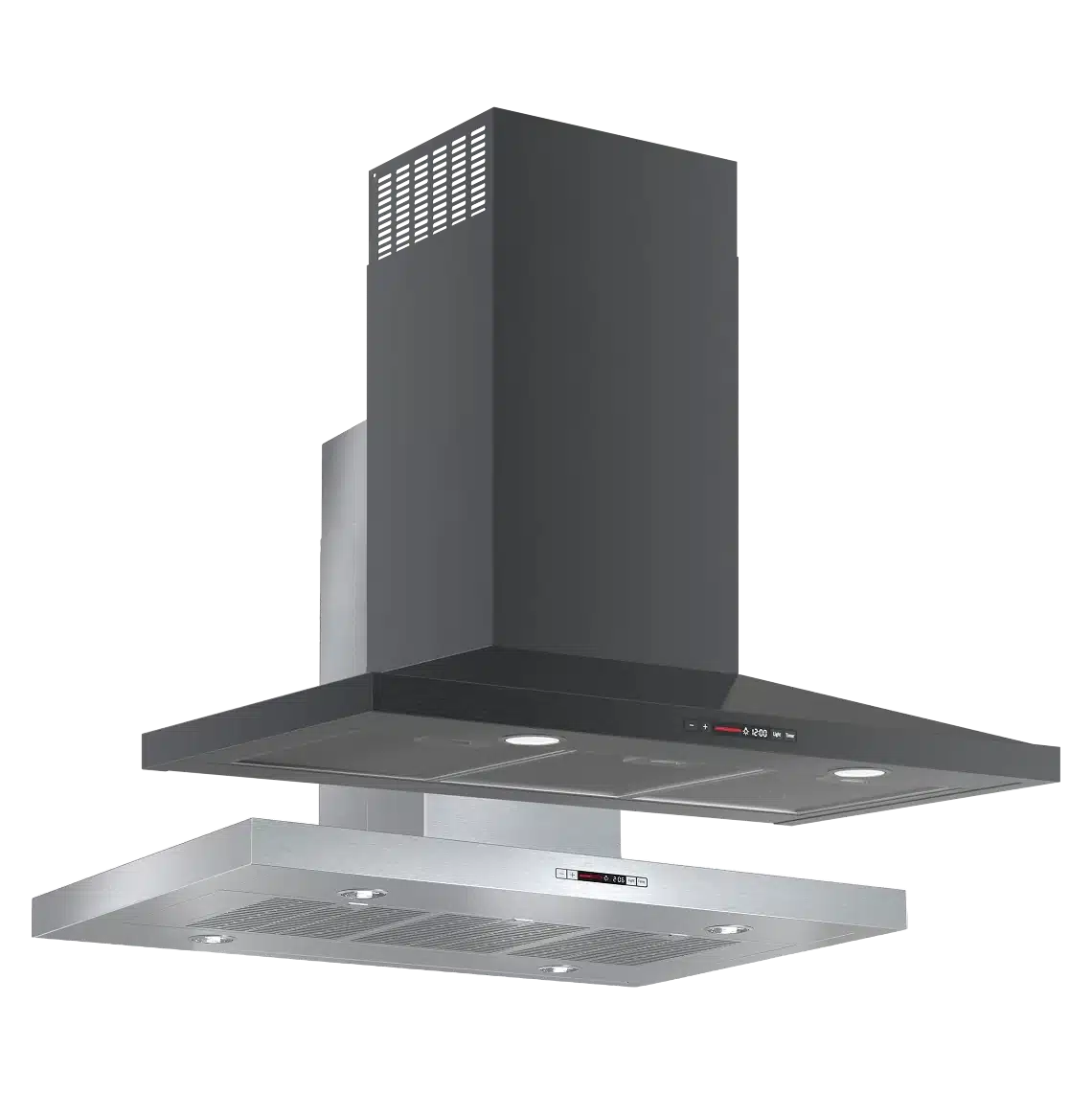
The right fix begins with knowing what kind of hood you have. Some hoods vent outdoors; others pass air through filters and return it to the room. A recirculating hood cannot remove heat or moisture outdoors the way a properly installed ducted hood can. If performance has recently declined, however, there are useful checks to make before assuming the whole unit needs replacing.
Check the Filters and Visible Air Path
Turn the fan off and let the cooking area cool. Remove only filters that the owner’s manual identifies as user-serviceable. Metal grease filters can collect residue that restricts airflow; clean them according to the manufacturer’s instructions and let them dry completely before reinstalling. Some recirculating hoods also have charcoal filters that need replacement rather than washing.
Look for obvious obstructions at the accessible intake. Do not reach into the fan, remove a motor cover, or open electrical panels. If the hood vents outside, a blocked or stuck exterior damper may also reduce airflow, but high or hard-to-reach outlets are best left to a qualified professional.
Check whether the hood’s fan speed changes as you select different settings. A fan that barely changes speed, rattles, or stops intermittently may have a mechanical or electrical problem rather than a dirty filter alone.
Common Reasons a Range Hood Has Weak Airflow
Grease buildup blocks the filter
This is one of the easiest issues to inspect. Heavy buildup can reduce the amount of air moving into the hood. Clean or replace filters on the schedule recommended for the model, especially if you cook frequently. Do not run the hood without required filters in place.
The blower is worn or damaged
A fan can still make noise even when its motor or blower wheel is not moving air effectively. New rattling, grinding, or a burning smell should prompt you to turn the hood off and arrange an inspection. The technician can check the blower rather than guessing from the noise.
The duct or damper is restricted
On a ducted system, air must travel through the vent route to the outside. A damaged duct, stuck damper, or obstruction can limit flow. This may require inspection beyond the hood itself. Avoid disconnecting ductwork over a range or working on an exterior vent without suitable access and equipment.
The hood is set up to recirculate
Some units are installed without an exterior exhaust route. They draw air through grease and charcoal filters and release it back into the kitchen. That design may reduce odors, but it will not remove indoor moisture or heat through an outdoor vent. If you are unsure which setup you have, check the manual or ask a technician to identify it.
What If the Fan Will Not Turn On at All?
Check that the controls respond and that the appliance has power. If a breaker has tripped, do not repeatedly reset it; recurring trips call for electrical diagnosis. A failed switch, motor, control board, or wiring problem can also prevent the fan from starting. Do not test live wiring yourself.
If the fan runs but the light does not, the issue may be limited to the light or its controls. If neither works, power or controls become more relevant. Note which features fail and whether the problem started after a particular event, such as cleaning or a power interruption.
When Weak Ventilation Calls for Repair
Schedule range hood service when cleaning accessible filters does not restore performance, the fan speed behaves unpredictably, the unit vibrates or grinds, or the controls stop responding. Turn it off if you notice smoke from the unit, a burning electrical odor, or repeated breaker trips.
A technician can identify whether the problem is in the hood’s filter, blower, controls, or accessible vent path. If the issue lies in a building duct or an exterior termination, additional ventilation or building maintenance work may be needed. Condo residents should check their building rules before arranging work on a shared or exterior vent.
Help the Hood Work Better Day to Day
Start the fan when you begin cooking, keep pots and pans under the capture area when practical, and use the speed appropriate for the amount of steam or cooking fumes. Clean grease filters regularly according to the manual. If you have a recirculating unit, keep up with charcoal-filter replacement.
Do not treat an open window as a repair for a fan that has stopped working. Ventilation depends on the hood’s design and condition. If performance has changed noticeably, identifying the cause is more useful than running it longer at maximum speed.
Restore Your Kitchen Airflow
A range hood with weak airflow may need a clean filter, a repair to the fan, or a closer look at the vent route. EHS Expert Appliance Repair offers range hood repair in Seattle and serves Bellevue, Mercer Island, Redmond, and nearby King County communities. Contact the team or call (206) 466-3323 to describe the hood type and symptoms.
Have an appliance issue today?
Our licensed technicians offer same-day service across Seattle and King County.